All Fours

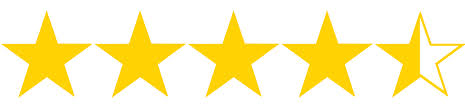
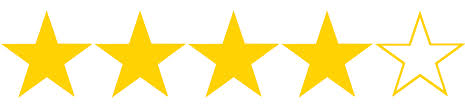
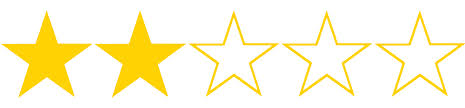
There has been a lot of hype around Miranda July’s All Fours. Amazon: “A semi-famous artist announces her plan to drive cross-country, from LA to NY. Thirty minutes after leaving her husband and child at home, she spontaneously exits the freeway, checks into a nondescript motel, and immerses herself in an entirely different journey. Miranda July’s second novel confirms the brilliance of her unique approach to fiction. With July’s wry voice, perfect comic timing, unabashed curiosity about human intimacy, and palpable delight in pushing boundaries, All Fours tells the story of one woman’s quest for a new kind of freedom. Part absurd entertainment, part tender reinvention of the sexual, romantic, and domestic life of a forty-five-year-old female artist, All Fours transcends expectation while excavating our beliefs about life lived as a woman. Once again, July hijacks the familiar and turns it into something new and thrillingly, profoundly alive.” I really did not like this book. I didn’t like the characters, the story was implausible, and it was painful to read. If only I had seen that the overall reviews on Amazon were 3.5, I wouldn’t have bothered. I suggest you don’t bother.

Fourth Wing

OK. I have to admit getting on the bandwagon for Fourth Wing by Rebecca Yarros very late. I kept reading about the new book in the series and I needed to know what everyone was talking about. “Enter the brutal and elite world of a war college for dragon riders from #1 New York Times bestselling author Rebecca Yarros. Twenty-year-old Violet Sorrengail was supposed to enter the Scribe Quadrant, living a quiet life among books and history. Now, the commanding general—also known as her tough-as-talons mother—has ordered Violet to join the hundreds of candidates striving to become the elite of Navarre: dragon riders. But when you’re smaller than everyone else and your body is brittle, death is only a heartbeat away…because dragons don’t bond to “fragile” humans. They incinerate them. With fewer dragons willing to bond than cadets, most would kill Violet to better their own chances of success. The rest would kill her just for being her mother’s daughter—like Xaden Riorson, the most powerful and ruthless wingleader in the Riders Quadrant. She’ll need every edge her wits can give her just to see the next sunrise. Yet, with every day that passes, the war outside grows more deadly, the kingdom’s protective wards are failing, and the death toll continues to rise. Even worse, Violet begins to suspect leadership is hiding a terrible secret. Friends, enemies, lovers. Everyone at Basgiath War College has an agenda—because once you enter, there are only two ways out: graduate or die.” (Amazon) Despite this book being called “smut” by my daughter, it was a good read.

The Three Lives of Cate Kay

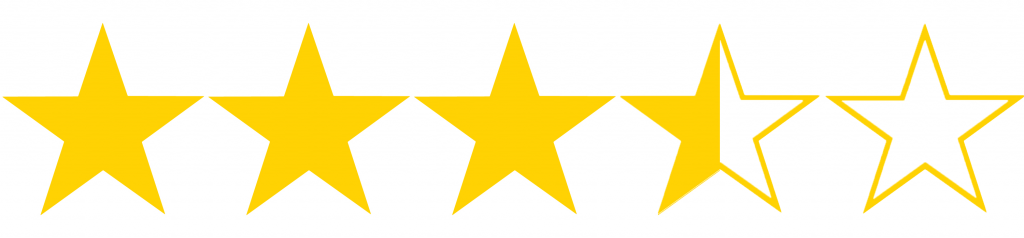
There was a good deal of hype surrounding Reese’s book club selection The Three Lives of Cate Kay by Kate Fagan, so I picked it up. While I didn’t like it at first, but the last third, I found myself really enjoying the story and wanting to know how it all wrapped up. Amazon: “Cate Kay knows how to craft a story. As the creator of a bestselling book trilogy that struck box office gold as a film series, she’s one of the most successful authors of her generation. The thing is, Cate Kay doesn’t really exist. She’s never attended author events or granted any interviews. Her real identity had been a closely guarded secret, until now. As a young adult, she and her best friend Amanda dreamed of escaping their difficult homes and moving to California to become movie stars. But the day before their grand adventure, a tragedy shattered their dreams and Cate has been on the run ever since, taking on different names and charting a new future. But after a shocking revelation, Cate understands that returning home is the only way she’ll be a whole person again.” Overall, despite the start, this was an enjoyable read.

Two Lives

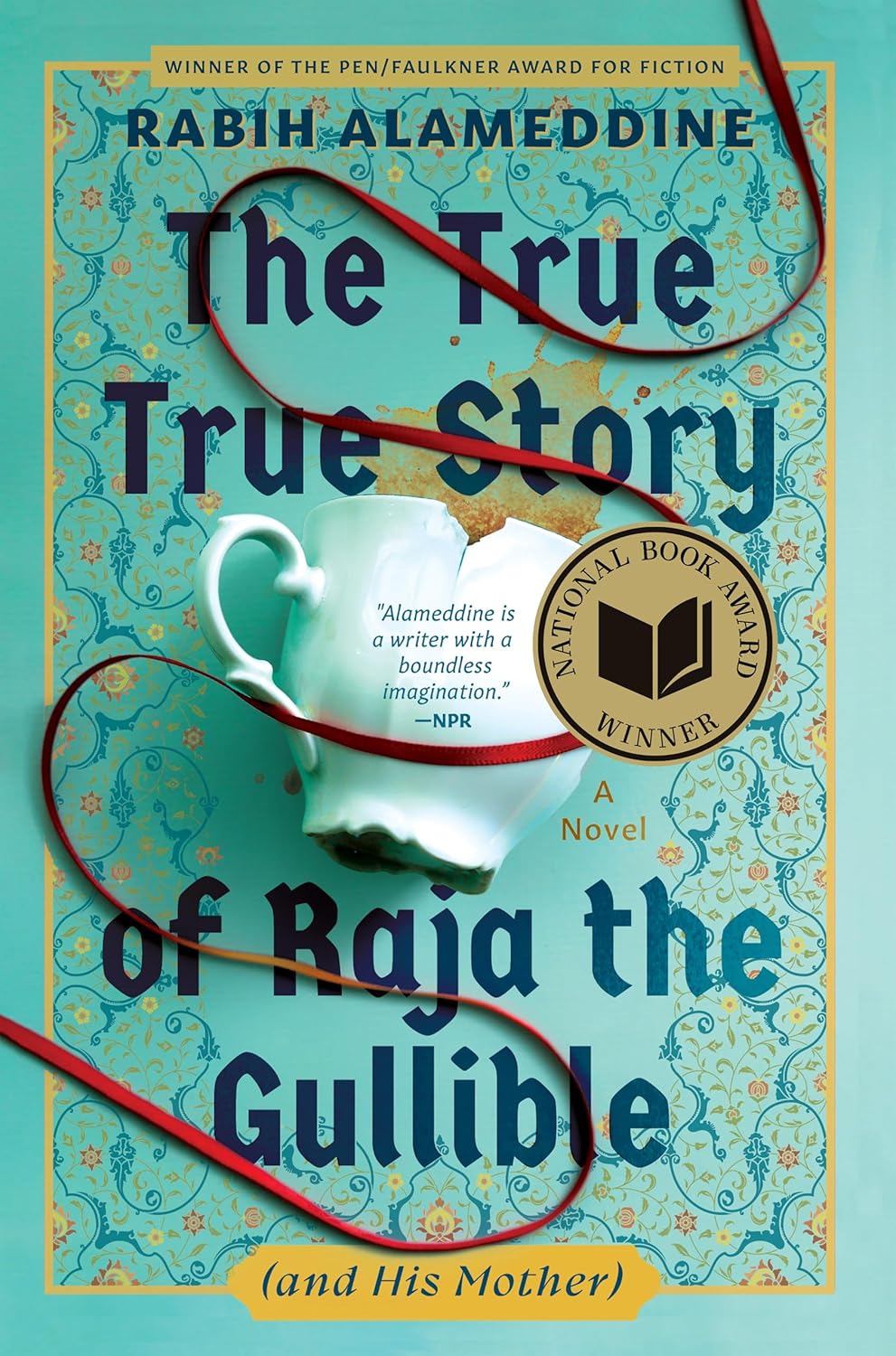
Two Lives by William Trevor was a Christmas gift (thanks, Pat!). I LOVED the first story (Reading Turgenev) and wished it had been longer. And, while I liked the second story (My House in Umbria), the first one really was much better. Amazon: “In Reading Turgenev, which was shortlisted for the Booker Prize, an Irish country girl is trapped in a loveless marriage with an older man, but finds release through secret meetings with a man who shares her passion for Russian novels. My House in Umbria tells of Emily Delahunty, a writer of romantic novels, who helps survivors of a bomb attack on a train to convalesce, inventing colorful pasts for her patients. Two novels, two women who retreat further into the realm of the imagination until the boundaries between what is real and what is not become blurred.” I merged my feelings about both to one number (5 stars for Reading Turgenev and 3 stars for My House in Umbria).

Erasure

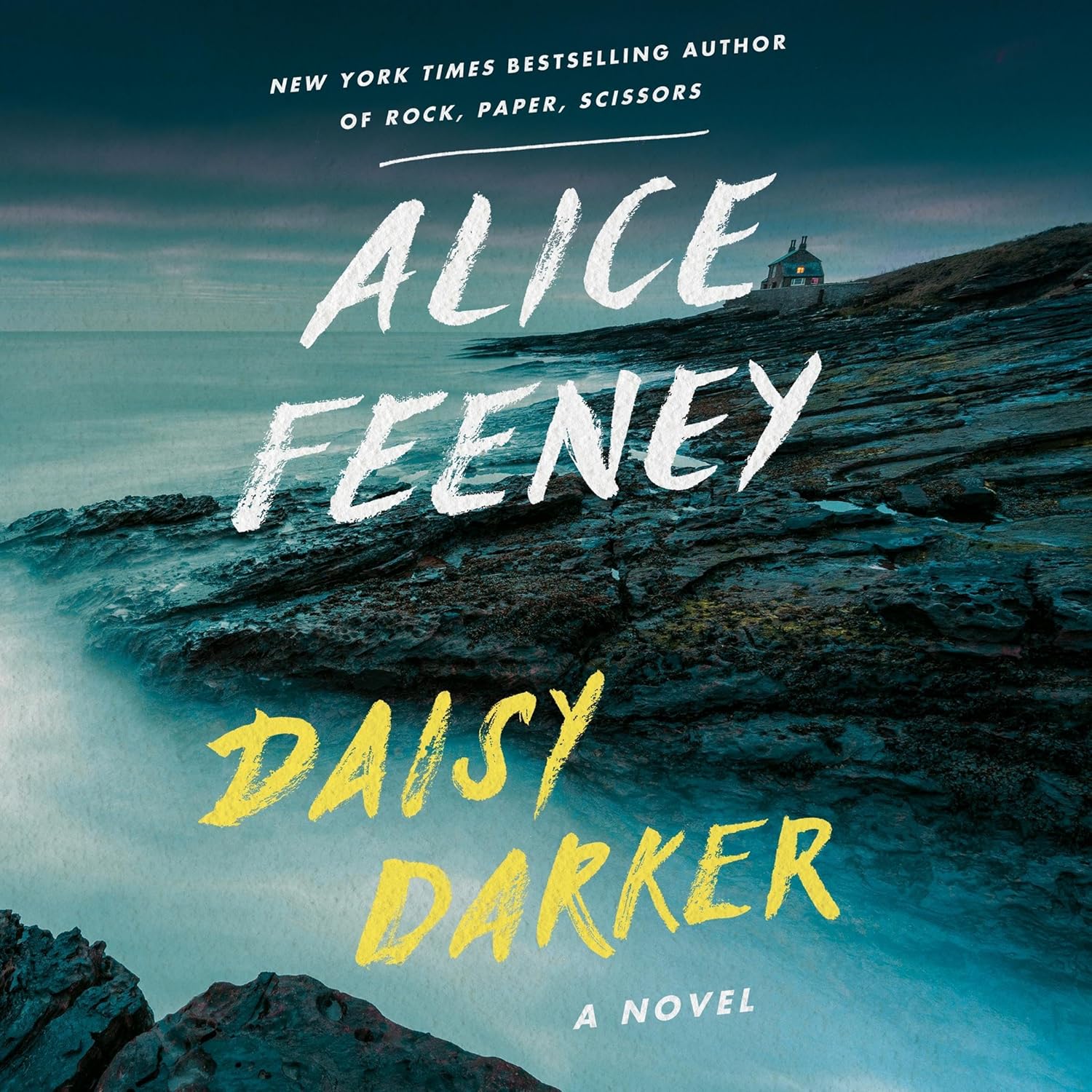
The past few years for my birthday, I have been gifted a book by a school parent. This year it was Erasure by Percival Everett. I recently read Everett’s newer work, James. I liked Erasure better than James, but it felt so much like Martyr and also like many of the recently published books about authors and fraud. At the same time, it was an enjoyable read. “Thelonious ‘Monk’ Ellison’s writing career has bottomed out: his latest manuscript has been rejected by seventeen publishers, which stings all the more because his previous novels have been ‘critically acclaimed.’ He seethes on the sidelines of the literary establishment as he watches the meteoric success of We’s Lives in Da Ghetto, a first novel by a woman who once visited ‘some relatives in Harlem for a couple of days.’ Meanwhile, Monk struggles with real family tragedies―his aged mother is fast succumbing to Alzheimer’s, and he still grapples with the reverberations of his father’s suicide seven years before. In his rage and despair, Monk dashes off a novel meant to be an indictment of Juanita Mae Jenkins’s bestseller. He doesn’t intend for My Pafology to be published, let alone taken seriously, but it is―under the pseudonym Stagg R. Leigh―and soon it becomes the Next Big Thing. How Monk deals with the personal and professional fallout galvanizes this audacious, hysterical, and quietly devastating novel.” (Amazon) Overall, this was a good read. It just hit me in a moment where I have read many similar themes.

Martyr

I have read many positive reviews of Martyr by Kaveh Akbar. Ultimately, I enjoyed the book, but I didn’t love it in the midst as much as I might. Amazon: “Cyrus Shams is a young man grappling with an inheritance of violence and loss: his mother’s plane was shot down over the skies of the Persian Gulf in a senseless accident; and his father’s life in America was circumscribed by his work killing chickens at a factory farm in the Midwest. Cyrus is a drunk, an addict, and a poet, whose obsession with martyrs leads him to examine the mysteries of his past—toward an uncle who rode through Iranian battlefields dressed as the angel of death to inspire and comfort the dying, and toward his mother, through a painting discovered in a Brooklyn art gallery that suggests she may not have been who or what she seemed.” I don’t know that I would recommend this read – it didn’t have enough for me to enjoy.

Max in the Land of Lies

This was a YA weekend. Our librarian had the advance copy of Adam Gidwitz’s sequel to Max and the House of Spies, Max in the Land of Lies and lent it to me (thanks, Mara!). I had really enjoyed House of Spies until the last page. Land of Lies made up for that. This was a great YA novel that I really enjoyed. “Max is on a mission. Well, two missions. One has been assigned by his British spymasters: Infiltrate the Funkhaus, the center of Nazi radio and propaganda. The other they have forbidden: Find his parents. Max Bretzfeld was willing to do anything to return to Germany, even become a British spy. Training complete and forged papers in hand, the radio wunderkind’s missions have begun. But nothing is as he expected. His parents are missing. Nazi intelligence is watching him. And the lines between lies and truth are becoming more blurred every day. Max will need every tool at his disposal, from his radio expertise and spy training to the help of Berg and Stein, the immortal creatures living on his shoulders. Even so, there’s no guarantee he’ll make it out of Berlin alive.” (Amazon) I enjoyed both of these reads, but the immortal creatures weren’t for me.

Accountable

Accountable by Dashka Slater was chosen for the equity book club at school. Amazon: “When a high school student started a private Instagram account that used racist and sexist memes to make his friends laugh, he thought of it as ‘edgy’ humor. Over time, the edge got sharper. Then a few other kids found out about the account. Pretty soon, everyone knew. Ultimately no one in the small town of Albany, California, was safe from the repercussions of the account’s discovery. Not the girls targeted by the posts. Not the boy who created the account. Not the group of kids who followed it. Not the adults―educators and parents―whose attempts to fix things too often made them worse. In the end, no one was laughing. And everyone was left asking: Where does accountability end for online speech that harms? And what does accountability even mean?” This was a good read (even though it’s YA) and a powerful story with no right answers. I enjoyed it.

The Paris Novel

I love Ruth Reichl (Delicious, Save Me the Plums, Garlic & Sapphires). Her latest was another in a long line of great entries. The Paris Novel, though it had a few inconsistencies that bothered me (and I almost gave it 4.5), overall, was just wonderful. “When her estranged mother dies, Stella is left with an unusual inheritance: a one-way plane ticket and a note reading “Go to Paris.” Stella is hardly cut out for adventure; a traumatic childhood has kept her confined to the strict routines of her comfort zone. But when her boss encourages her to take time off, Stella resigns herself to honoring her mother’s last wishes. Alone in a foreign city, Stella falls into old habits, living cautiously and frugally. Then she stumbles across a vintage store, where she tries on a fabulous Dior dress. The shopkeeper insists that this dress was meant for Stella and for the first time in her life Stella does something impulsive. She buys the dress—and embarks on an adventure. Her first stop: the iconic brasserie Les Deux Magots, where Stella tastes her first oysters and then meets an octogenarian art collector who decides to take her under his wing. As Jules introduces Stella to a veritable who’s who of the Paris literary, art, and culinary worlds, she begins to understand what it might mean to live a larger life. As weeks—and many decadent meals—go by, Stella ends up living as a “tumbleweed” at famed bookstore Shakespeare & Company, uncovers a hundred-year-old mystery in a Manet painting, and discovers a passion for food that may be connected to her past. A feast for the senses, this novel is a testament to living deliciously, taking chances, and finding your true home.” (Amazon) The descriptions of food and dresses were so decadent and detailed. It was a true delight.

The Life Impossible

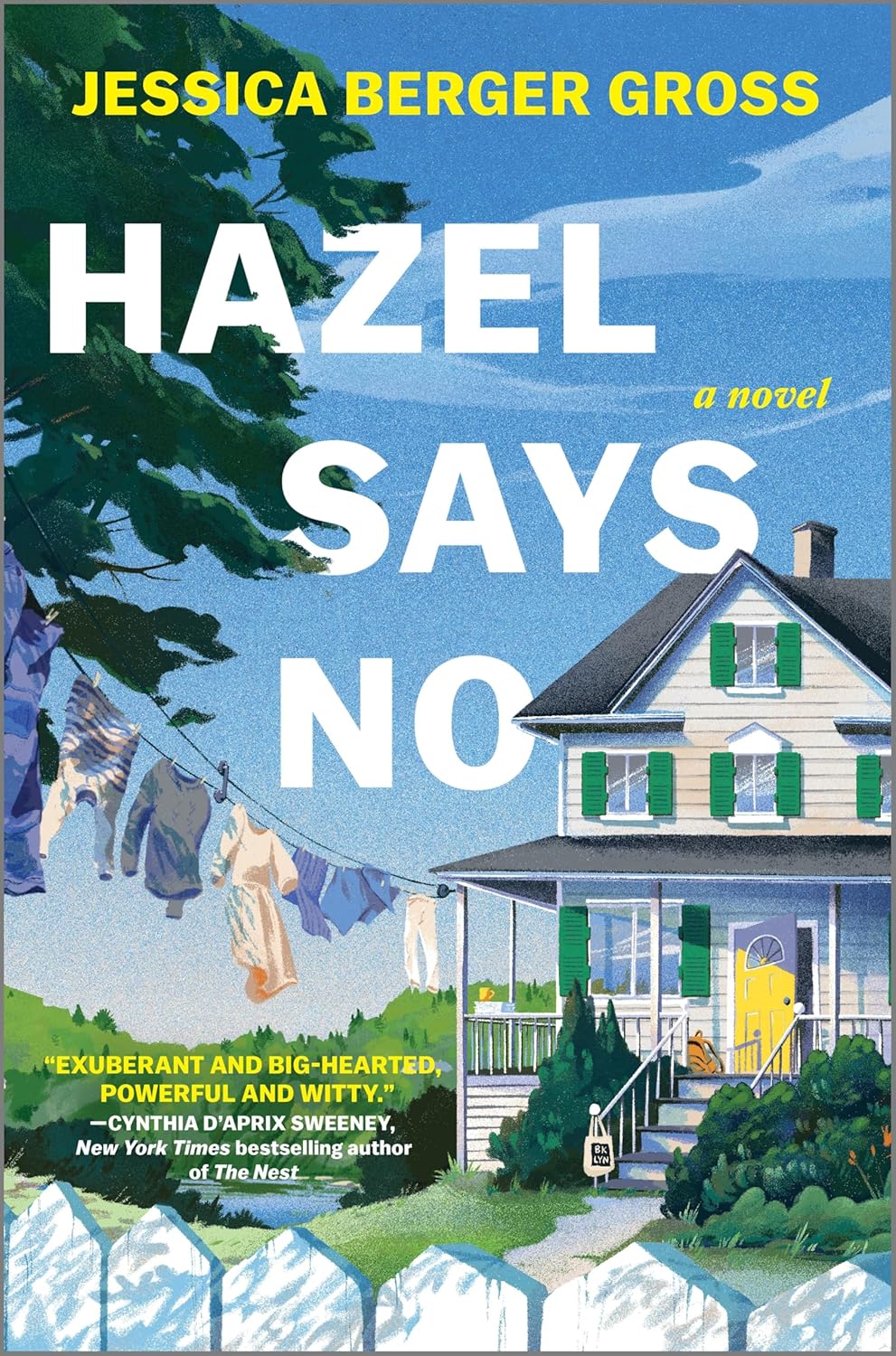
I really liked Matt Haig’s The Midnight Library and was excited to read The Life Impossible. Amazon: “When retired math teacher Grace Winters is left a run-down house on a Mediterranean island by a long-lost friend, curiosity gets the better of her. She arrives in Ibiza with a one-way ticket, no guidebook and no plan. Among the rugged hills and golden beaches of the island, Grace searches for answers about her friend’s life, and how it ended. What she uncovers is stranger than she could have dreamed. But to dive into this impossible truth, Grace must first come to terms with her past.” The magical realism of this selection didn’t do it for me. I didn’t hate it, but I didn’t much like it either. I would give it a pass.